Lenten Season · Year C
Fourth Sunday in Lent
March 26, 2028
Overview & Insights
“The Son of Man came to seek and to save what was lost” (Luke 19:10).
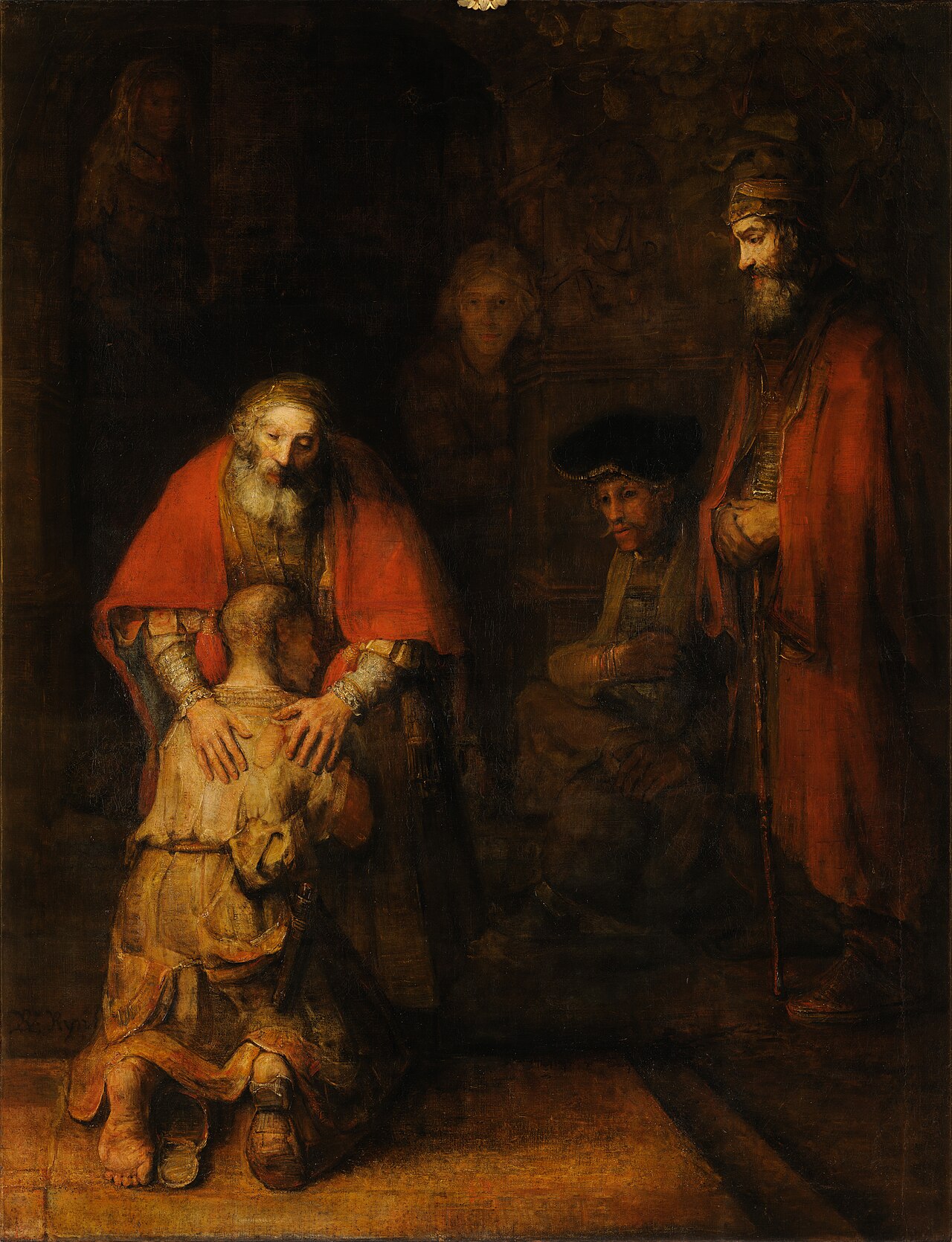
After the scene at a Pharisee's table in 14:1–24 (cf. 7:36–50; 11:37–54), the focus turns to the much less conventional meals that Jesus enjoyed with social and religious outsiders. This theme was earlier raised by the meal in Levi's house (5:27–39) and by the “sinful woman” who disrupted another more conventional meal (7:36–50), and it has been reflected in Jesus's subversive ideas about who should be at the messianic banquet (13:28–29; 14:15–24). The issue for Jesus is not simply a matter of table etiquette, but rather of God's plan of salvation, which will be gloriously summed up at the table of an arch-sinner in 19:10. So a trio of parables here challenges the reader to rethink who is ultimately acceptable to God. They not only justify Jesus's unconventional practice but also, in the person of the unbending older brother, draw attention to the danger of opposing and, ultimately, missing out on God's grace.
From Sermons.com: Join Today to access the most scholarly & well written preaching resources anywhere.
Take it further
Commentary
Luke 15:1–3, 11b–32 (Gospel) Working Preacher
Weekly exegesis of the Gospel by a named seminary scholar.
Joshua 5:9–12 (Old Testament) Working Preacher
The manna stops as Israel eats the produce of the land.
2 Corinthians 5:16–21 (Epistle) Working Preacher
Paul's ministry of reconciliation, the Epistle's tie to the Gospel.
Lost and Found SALT Project
Accessible and preachable; frames the week as mercy versus fairness.
Luke 15:1–3, 11b–32 Center for Excellence in Preaching
Reformed, sermon-shaped commentary from Calvin Seminary.
Gospel, Lent 4 Series C 1517
A Lutheran law-and-gospel reading of the same text.
Commentary on the Gospel Opus Dei
A Roman Catholic reading of the Cycle C Gospel for the 4th Sunday of Lent.
Background & Word Study
Worship & Prayers
Questions preachers ask
Is all of Luke 15 read this Sunday?
No. The Fourth Sunday of Lent in Year C appoints Luke 15:1–3, 11b–32: the framing verses plus the parable of the prodigal son. The lost sheep and lost coin (Luke 15:4–10) are read separately at Proper 19, Year C, in Ordinary Time.
Why is it called Laetare Sunday?
Laetare is the first word of the traditional Latin entrance antiphon, Laetare Jerusalem (Rejoice, Jerusalem). It marks the midpoint of Lent with a note of restrained joy; rose vestments may replace violet.
Do Catholics and Protestants read the same Gospel this Sunday?
Yes. The Revised Common, Roman Catholic, and LSB three-year lectionaries all appoint the prodigal son; their first and second readings differ slightly. The historic one-year lectionary is a separate system and reads John 6 instead.
Prep at sermons.com
Ready to write?
- Full sermons on Luke 15:1-3, 11b-32
- Illustrations cleared for use in worship
- Commentary, quotes, and Bible dictionary
Trusted by pastors since 1995.
Free every Tuesday
Illustrations & Sermon Prep in your inbox
The coming Sunday’s readings, a cleared-for-use illustration, and a sermon-prep head start. One email, free.