Pentecost Season · Proper 15 · Year A
Psalm 67
Let the Nations Be Glad
August 16, 2026
Overview & Insights
“May God be gracious to us and bless us and make his face to shine upon us.” (Psalm 67:1)
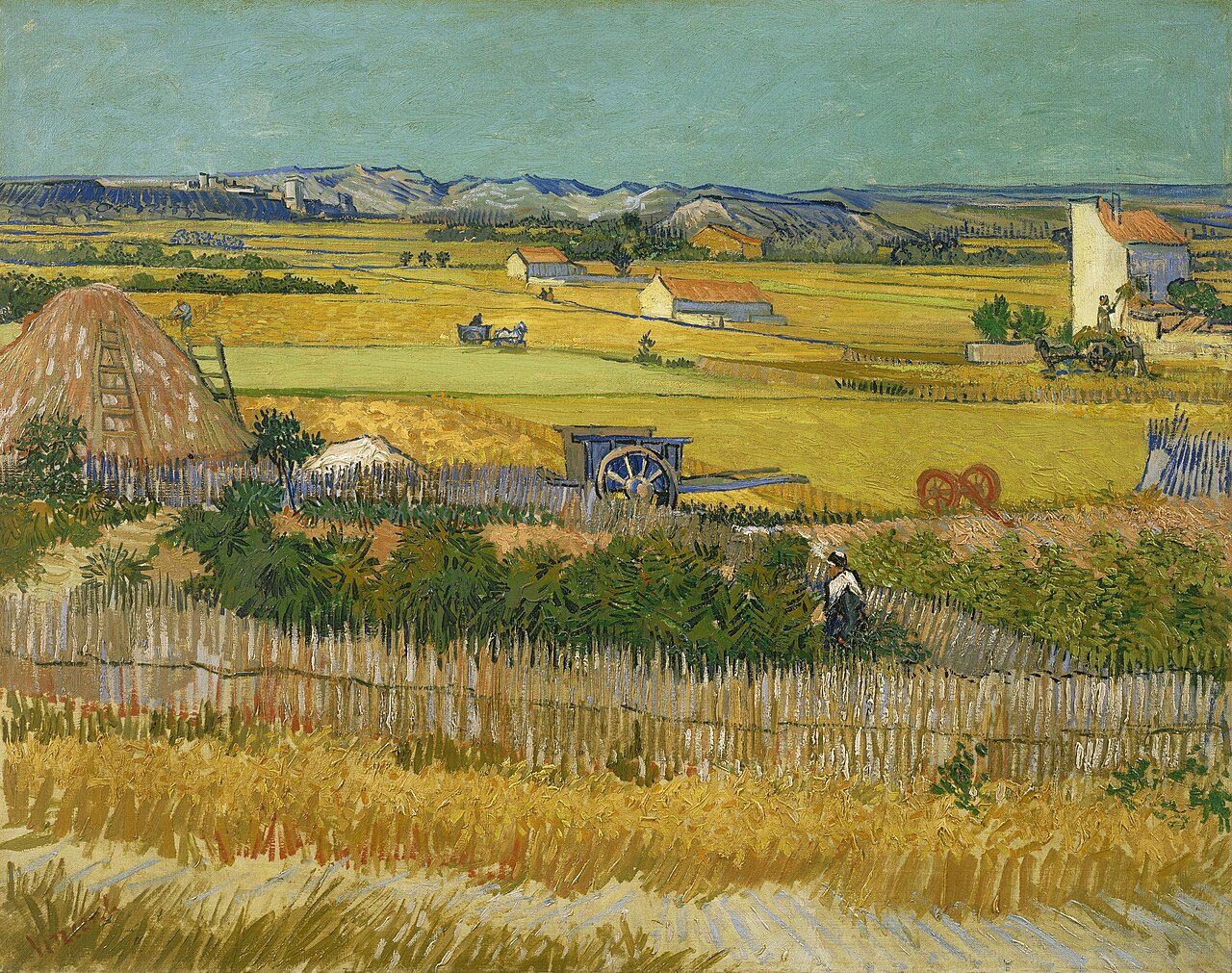
Judging from its first-person plural pronouns (“us”), this psalm is a community psalm of thanksgiving.1 Hakham calls it a psalm of thanksgiving for an abundant harvest.2 Israel acknowledges God’s blessings and prays for their extension, even salvation to the nations of the world (67:2, 7). Psalm 66 ends with a word of blessing (“Blessed [baruk] be God”; NIV: “Praise be to God”; 66:20), and Psalm 67 begins with a prayer of blessing in language akin to the priestly benediction. While the priestly benediction (Num. 6:24–26) was given to Israel by a priest (“The Lord make his face shine on you and be gracious to you”), here it is transferred to the lips of the people (“May God be gracious to us and bless us and make his face shine on us,” 67:1). The people are praying for themselves and the nations, acting in the priestly role of a “kingdom of priests” (Exod. 19:6) that Yahweh assigned them at Sinai.
From Sermons.com: Join Today to access the most scholarly & well written preaching resources anywhere.
Take it further
Commentary
Working Preacher: Commentary on Psalm 67 Working Preacher
Lutheran lectionary commentary on the psalm of the nations' praise for the semicontinuous track.
Enduring Word: Psalm 67 Enduring Word · David Guzik
David Guzik's verse-by-verse evangelical notes on the psalm of blessing for the nations.
BibleHub: Commentaries on Psalm 67:1 BibleHub
Parallel classic commentaries on God's blessing reaching all peoples.
Background & Word Study
Questions preachers ask
What does Psalm 67 pray?
It asks God's blessing so that his way may be known among all nations, and calls every people to praise him, for the earth has yielded its increase.
Prep at sermons.com
Ready to write?
- Full sermons on Matthew 15:(10-20), 21-28
- Illustrations cleared for use in worship
- Commentary, quotes, and Bible dictionary
Trusted by pastors since 1995.
Free every Tuesday
Illustrations & Sermon Prep in your inbox
The coming Sunday’s readings, a cleared-for-use illustration, and a sermon-prep head start. One email, free.