Advent Season · Fourth Sunday of Advent · Year A
Isaiah 7:10-16
The Sign of Immanuel
December 21, 2025
Overview & Insights
“Look, the young woman is with child and shall bear a son, and shall name him Immanuel.” (Isaiah 7:14)
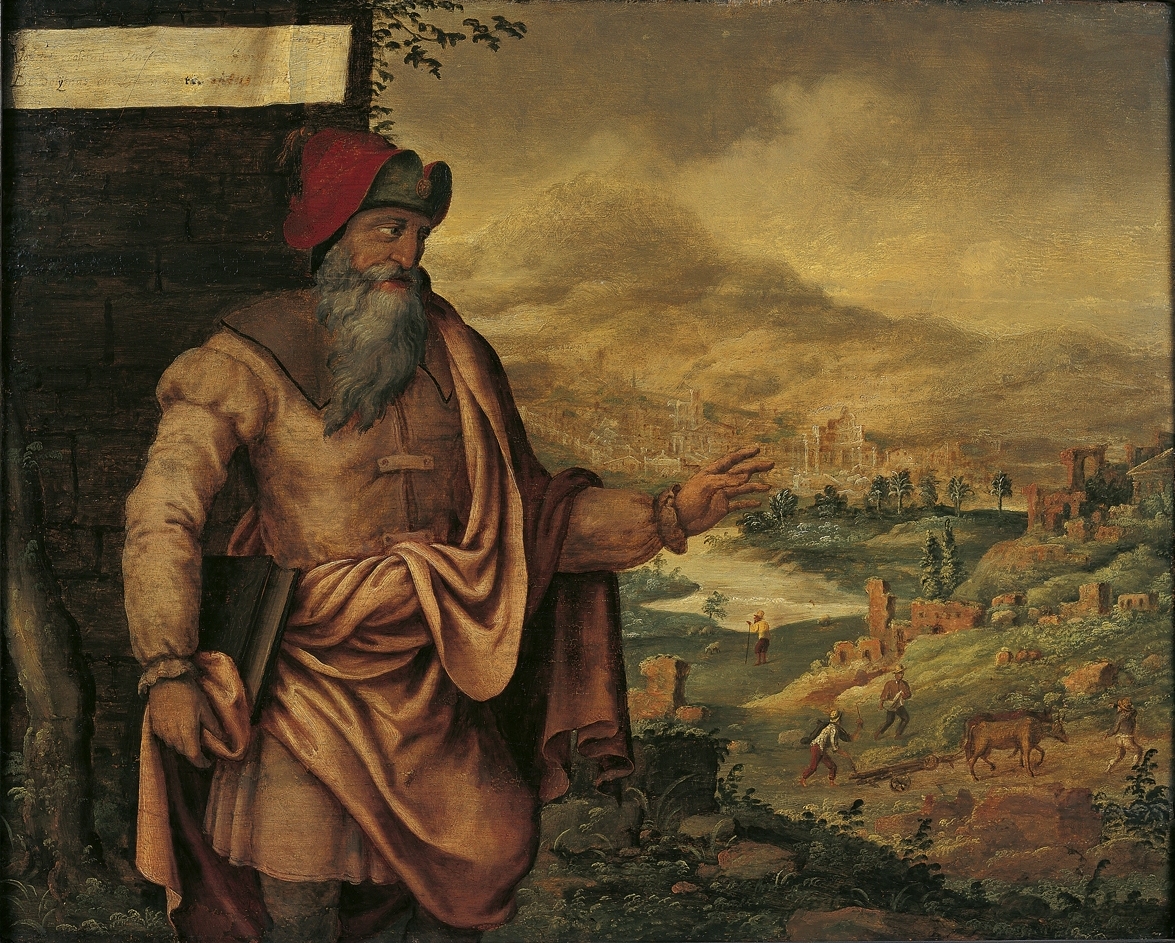
Coping with the Pressure from Syria and Ephraim: The heart of 6:1–9:7 is story and prophecy focusing on a crisis in Jerusalem about 733 B.C., soon after Isaiah’s commission. Ahaz is now king. Jotham may have died before his father and only ever been co-regent. Northern Israel (see Additional Notes on 1:3) and Aram (Syria) had been forced to become part of the Assyrian empire, and they had now combined forces to try to compel Judah to join them in their efforts to gain independence from Assyria. They failed to do so and both capitals were sacked. The first verse of chapter 7 summarizes the context in which the events in 7:1–8:10 take place, but we have to live through them with Ahaz, not knowing their outcome.
From Sermons.com: Join Today to access the most scholarly & well written preaching resources anywhere.
Take it further
Commentary
Commentary on Isaiah 7:10-16 Working Preacher
Argues Ahaz's refusal to ask for a sign draws an ambivalent divine response: Immanuel's birth spells both the end of Ahaz's immediate enemies and the coming judgment of Assyria.
Isaiah 7:10-16 Commentary Center for Excellence in Preaching
Reformed-voice reading of the Immanuel sign, situating it inside the Syro-Ephraimite political crisis Ahaz faced and how Matthew later repurposes it.
Isaiah 7 Commentary Enduring Word (David Guzik)
Verse-by-verse treatment of the Ahaz-Immanuel oracle, including a direct discussion of the almah/parthenos translation debate behind Matthew's use of the text.
Isaiah 7 Commentary Precept Austin
Word-by-word inductive-study commentary on Isaiah 7, compiling multiple scholars' notes on the sign given to Ahaz and the identity of the child.
Isaiah 7 classic commentaries BibleHub
Aggregates classic public-domain commentaries (Barnes, Pulpit Commentary, Keil & Delitzsch) specifically on verse 14's 'the virgin shall conceive' sign.
Background & Word Study
Isaiah 7:14 Sefaria
Hebrew text with Jewish commentary (Rashi, Ibn Ezra) on 'almah,' the word underlying the Christian/Jewish translation dispute over 'virgin' versus 'young woman.'
5959. almah BibleHub Lexicon
Strong's lexicon entry for 'almah' with every other Old Testament occurrence listed, letting a preacher check the word's normal semantic range against the 'virgin' claim.
Questions preachers ask
Does Isaiah 7:14 say ‘virgin’ or ‘young woman’?
The Hebrew word is almah, a young woman of marriageable age. The Greek translation Matthew quotes uses parthenos, virgin. Both readings are honest to their own text, and the sign in Isaiah’s own moment was the child’s timing: before he is old enough to choose, the kings Ahaz fears will be gone.
Prep at sermons.com
Ready to write?
- Full sermons on Matthew 1:18-25
- Illustrations cleared for use in worship
- Commentary, quotes, and Bible dictionary
Trusted by pastors since 1995.
Free every Tuesday
Illustrations & Sermon Prep in your inbox
The coming Sunday’s readings, a cleared-for-use illustration, and a sermon-prep head start. One email, free.