Pentecost · The Day of Pentecost · Year C
Genesis 11:1-9
The Tower of Babel
June 4, 2028
Overview & Insights
“Come, let us build ourselves a city and a tower with its top in the heavens.” (Genesis 11:4)
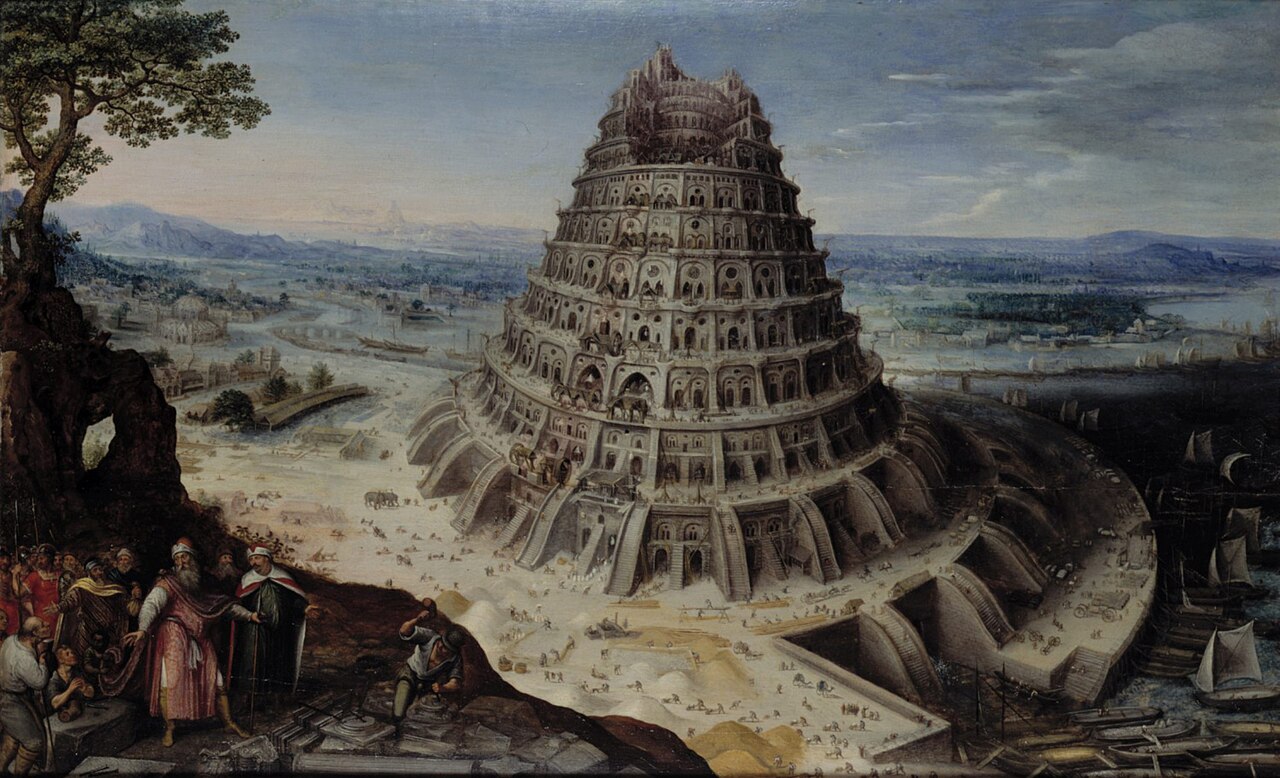
The preceding Table of Nations describes the unity among all peoples on earth, while this narrative gives the reason for the diversity, discord, and distrust that exist among the various clans, tribes, and nations. In this narrative the people take counsel and begin to build a tower (vv. 1–4); God in response takes counsel and puts an end to their building (vv. 5–8); and the episode is memorialized by naming that place Babel, that is, Babylon (v. 9). This famous city symbolizes commerce, human achievement, and the pursuit of pleasure. It is also known for its ziggurat, named Etemenanki, a temple with a terraced tower of three to seven successively receding stories. Mesopotamians thought that the earth met heaven at the top of the tower.
From Sermons.com: Join Today to access the most scholarly & well written preaching resources anywhere.
Take it further
Commentary
Genesis 11 Commentary Enduring Word · David Guzik
David Guzik's verse-by-verse walk through the Babel narrative and its aftermath.
Genesis 11 Commentary Precept Austin
A devotional-inductive commentary linking Babel's failed unity to the church's true unity.
Genesis 11:1 Commentaries BibleHub
A single page collecting several classic commentaries on the Babel account.
Genesis 11 (Barnes' Notes) StudyLight
Albert Barnes works through the text's language and geography in detail.
Commentary on Genesis 11:1-9 Working Preacher
Reads Babel as the pericope's built-in counterpoint to the Spirit's gift of tongues.
Acts 2:1-21 / Genesis 11:1-9 Commentary Center for Excellence in Preaching
Preaching-focused reflection that pairs Babel directly with the Pentecost reading.
Background & Word Study
Genesis 11:1-10, The Tower of Babel Enter the Bible
Luther Seminary background on the Babel story's ancient Near Eastern setting.
Genesis 11:1 Interlinear BibleHub
Hebrew interlinear text for checking the passage's key words directly.
Genesis 11:1-9 Sefaria
The Hebrew text alongside classic Jewish commentators such as Rashi.
Questions preachers ask
Why is the Tower of Babel read at Pentecost?
At Babel human pride is scattered and languages confused; Pentecost is its reversal, when the Spirit gathers the nations and each hears the wonders of God in their own tongue.
Prep at sermons.com
Ready to write?
- Full sermons on John 14:23-31
- Illustrations cleared for use in worship
- Commentary, quotes, and Bible dictionary
Trusted by pastors since 1995.
Free every Tuesday
Illustrations & Sermon Prep in your inbox
The coming Sunday’s readings, a cleared-for-use illustration, and a sermon-prep head start. One email, free.