Epiphany Season · Year B
Ninth Sunday after the Epiphany
March 7, 2027
Overview & Insights
“The Sabbath was made for man, not man for the Sabbath.” (Mark 2:27)
The opposition to Jesus intensifies with each of the episodes in this section. The central story among the five in 2:1–3:6 tells why the conflict is occurring (2:18–22): in Jesus a new era has arrived, one in which he must challenge the old traditions. Those who cling to the old (symbolized by the issue of fasting) have been superseded, and this new kingdom reality cannot be subsumed under the old ways. This then leads to the final two episodes, which are controversies over Sabbath observance (the first two, 2:1–12, 13–17, center on forgiveness of sins and acceptance into the new community).
From Sermons.com: Join Today to access the most scholarly & well written preaching resources anywhere.
Take it further
Commentary
Mark 2:23-3:6 Working Preacher
Argues Jesus disputes the Pharisees not to trivialize the sabbath but to read its life-giving purpose through the David story.
Mark 2:23-3:6 Center for Excellence in Preaching
A Reformed reading tracing the two sabbath violations and when keeping rules for their own sake hardens the heart.
Sabbath SALT Project
Frames Jesus as a reformer, not a critic, of sabbath, situating the day within Israel's sevenfold rhythm.
Mark 2:23-3:6 Enduring Word · David Guzik
An accessible verse-by-verse commentary, widely used across evangelical churches.
The Ninth Sunday in Ordinary Time, Cycle B Agape Bible Study
A Catholic study covering both Sabbath conflicts in Mark 2:23-3:6, the grainfields and the man with the withered hand.
Gym Bros Teach Us About Sabbath Sermons That Work · Episcopal Church
An Episcopal sermon reading Mark's Sabbath controversy as God stretching out an arm toward us.
Background & Word Study
Putting Sabbath in Its Place Left Behind and Loving It
A Greek reading of how the text sets Jesus' principle that sabbath was made for humanity, not the reverse.
Disputing the Sabbath in Mark 2 and 3 Psephizo · Ian Paul
Examines the literary shape of the paired conflict stories and what first-century sabbath practice actually forbade.
The Lord of the Sabbath (Mark 2:23-3:6) Theology of Work
Reads the passage through work, rest, and worship, asking how sabbath serves human flourishing.
The Church Fathers
Sermons & Reflections
Questions preachers ask
What does Jesus teach about the Sabbath?
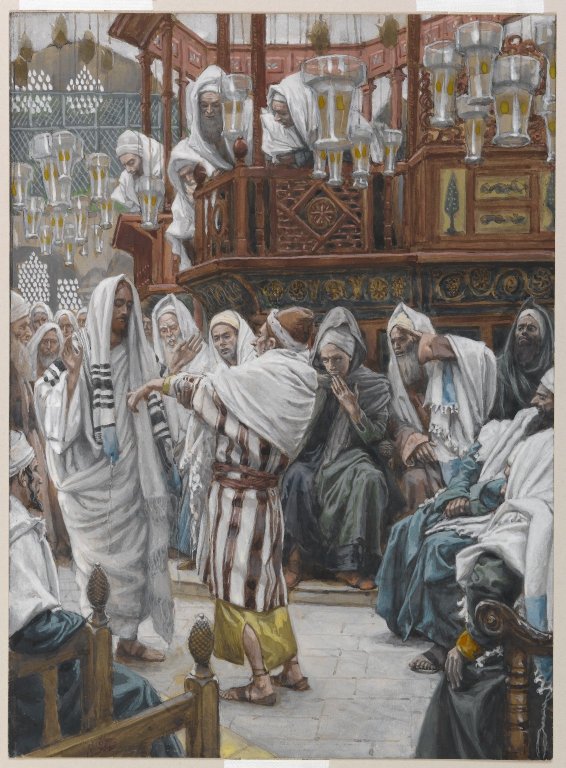
Challenged for letting his disciples pluck grain and for healing a withered hand on the Sabbath, Jesus declares himself Lord of the Sabbath, which was made for the good of man; he grieves the hardness of hearts that would rather accuse than see mercy done.
Prep at sermons.com
Ready to write?
- Full sermons on Mark 2:23-3:6
- Illustrations cleared for use in worship
- Commentary, quotes, and Bible dictionary
Trusted by pastors since 1995.
Free every Tuesday
Illustrations & Sermon Prep in your inbox
The coming Sunday’s readings, a cleared-for-use illustration, and a sermon-prep head start. One email, free.