Time after Pentecost · All Saints' Day · Year C
Psalm 149
Let Israel Be Glad in Their Maker
November 1, 2028
Overview & Insights
“Sing to the Lord a new song, his praise in the assembly of the faithful.” (Psalm 149:1)
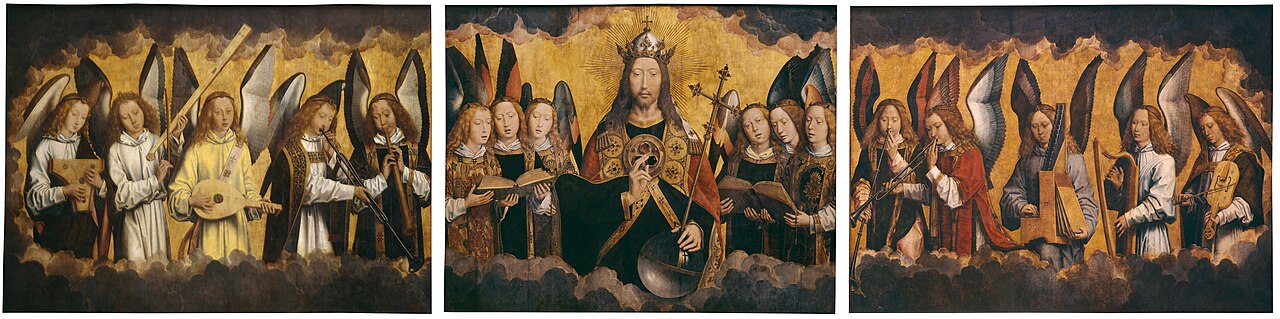
This hymnic praise psalm begins with an imperative call to sing . . . a new song specifically in the assembly of the saints (or “devout/faithful ones”). Then three verses follow which invite them ( Let . . . , Hb. jussive or wish, vv. 2–3, 5) to perform his praise with joy (Let Israel rejoice ) and with dancing and musical instruments (tambourine and harp). Yahweh is depicted as their Maker and King. Supporting these appeals is a twofold reason ( for, v. 4), one is for God’s benefit (the LORD takes delight in his people) and the other is for how he benefits his people (he crowns the humble with salvation).
From Sermons.com: Join Today to access the most scholarly & well written preaching resources anywhere.
Take it further
Commentary
Psalm 149 Commentary Enduring Word · David Guzik
A plain-language walk through the psalm's call to praise.
Psalm 149:1 Commentaries BibleHub
Classic commentary excerpts gathered verse by verse.
Commentary on Psalm 149 Working Preacher
An All Saints reading on why this psalm's triple use of "saints" fits the feast.
Psalm 149 Commentary Center for Excellence in Preaching
A Reformed preaching-focused reading of the psalm's post-exilic praise.
Background & Word Study
Questions preachers ask
What is Psalm 149?
A closing hymn of praise calling the faithful to rejoice in their Maker with song and dance, for the Lord takes pleasure in his people and crowns the humble with victory; fitting for the feast of All Saints.
Prep at sermons.com
Ready to write?
- Full sermons on Matthew 5:1-12
- Illustrations cleared for use in worship
- Commentary, quotes, and Bible dictionary
Trusted by pastors since 1995.
Free every Tuesday
Illustrations & Sermon Prep in your inbox
The coming Sunday’s readings, a cleared-for-use illustration, and a sermon-prep head start. One email, free.